Jordan Müller · 13 October 2026
How Seasonal Weather Shifts Shape Traditional Resource Gathering in Remote Highland Ecosystems
Remote highland ecosystems experience pronounced seasonal weather shifts that directly dictate the timing and methods of traditional resource gathering; communities in these regions have adapted cycles around snowmelt, monsoon arrivals, and temperature fluctuations for generations. Data from long-term monitoring programs show that plant availability, water sources, and animal migration routes respond predictably to these changes, which in turn structures harvest schedules for food, medicine, and materials.
Core Patterns in Highland Weather Cycles
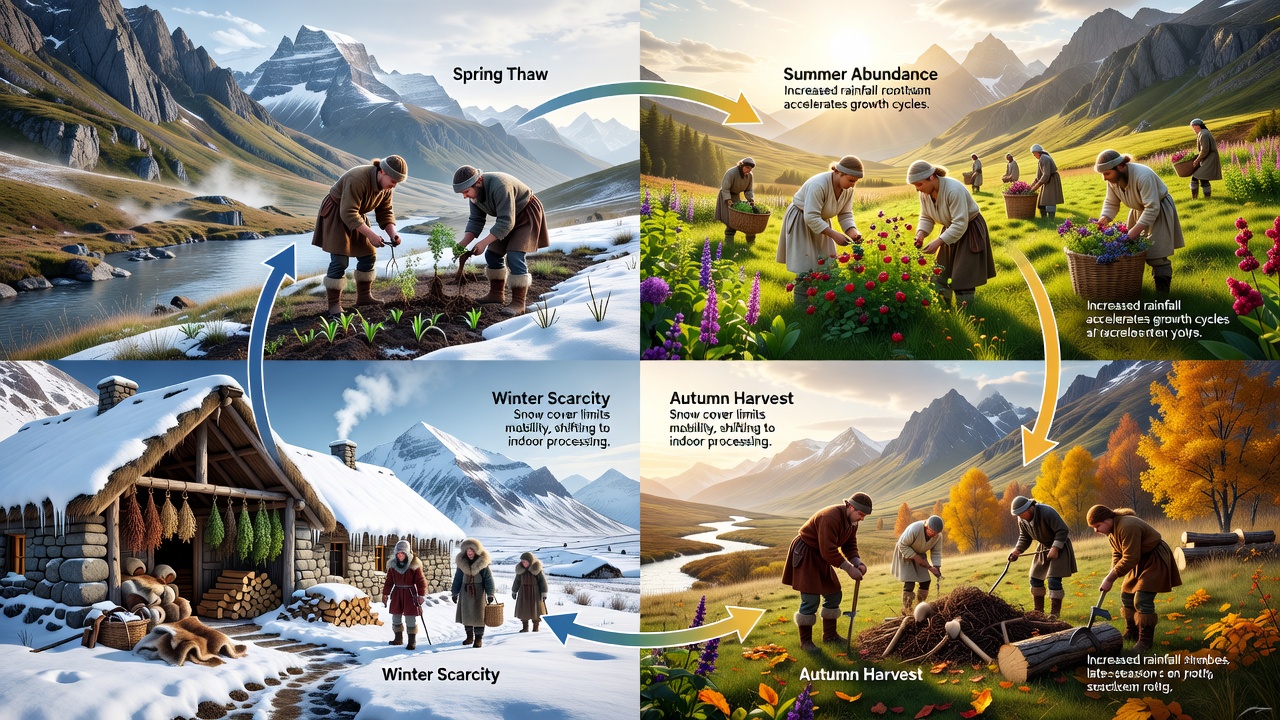
Highland areas such as the Andes and Himalayas feature sharp transitions between dry and wet periods, with snow cover persisting for months at higher elevations while lower slopes thaw earlier. Researchers tracking phenological data note that spring snowmelt triggers the first wave of edible root and tuber collection, while summer rains accelerate growth of leafy greens and medicinal species. In contrast, autumn frosts signal the end of above-ground harvesting and the shift toward stored or preserved resources. These sequences remain consistent across multiple field studies conducted over decades.
Resource Gathering in Andean Highlands
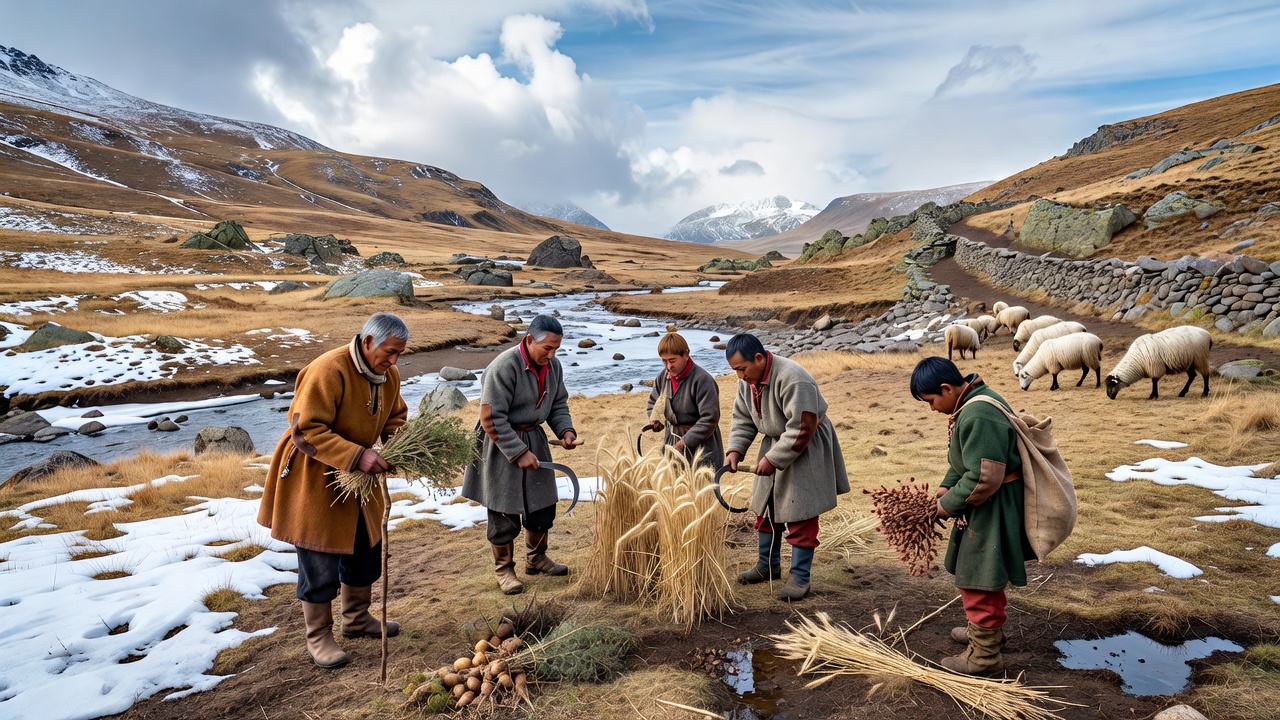
Communities in the Peruvian and Bolivian Andes time potato and quinoa harvests around the onset of the rainy season, which typically begins in October and November. Weather records indicate that delayed rains extend the window for root collection yet increase frost risk, forcing gatherers to work at dawn when soil remains softer. Studies from regional agricultural institutes document how herders move alpaca herds to higher pastures during drier months to protect fragile wetland plants used for thatching and fuel. Observers note that October 2026 brought earlier than average precipitation to several central Andean valleys, advancing the harvest of certain medicinal roots by nearly two weeks compared with prior seasons.
Adaptations in Himalayan Ecosystems
Across the Nepal and Indian Himalayas, traditional collectors focus on medicinal herbs such as cordyceps and rhododendron during the brief summer window after snow recedes but before monsoon downpours saturate trails. Meteorological data reveal that rising spring temperatures have shortened the snow-free period in some valleys, compressing gathering windows and prompting earlier departures from base camps. Field reports compiled by forestry departments show that fuelwood collection shifts upslope as lower forests become inaccessible during heavy autumn rains, while yak herders time milk-product processing around stable dry spells. These adjustments maintain supply continuity despite variable conditions.
Water and Mineral Resource Timing
Seasonal streams fed by glacial melt provide critical water for irrigation and processing gathered materials, yet their peak flow occurs only during specific months. In highland catchments, spring melt supplies the bulk of annual water volume, allowing communities to schedule root washing and dye extraction when flow rates support larger volumes. Data collected by geological survey teams indicate that autumn cooling reduces stream discharge, concentrating mineral-rich sediments that some groups collect for traditional pigments. When early winter storms arrive, access to these sites closes until the following thaw.
Interactions Between Flora, Fauna, and Weather
Plant species central to gathering practices exhibit synchronized responses to temperature and precipitation cues. Alpine grasses reach peak nutritional value shortly after snowmelt, drawing both livestock and wild herbivores into predictable locations that hunters and foragers monitor. Studies published in ecological journals demonstrate that earlier leaf-out in recent decades has altered the overlap between peak forage quality and traditional migration dates. Collectors therefore adjust routes and group sizes to match observed vegetation stages rather than fixed calendar dates. Insect activity tied to warming periods also influences the harvest of certain resinous plants used in adhesives and medicines.
Long-Term Monitoring and Recorded Shifts
Networks of weather stations and community logs provide quantitative records of how gathering calendars have responded to multi-year weather trends. Figures released by national environmental agencies show modest advances in spring melt dates across several highland ranges, with corresponding earlier starts to root and herb collection. These records further indicate that monsoon timing variability affects the success rate of late-season seed gathering, prompting storage strategies that buffer against poor years. Cross-regional comparisons reveal similar patterns in both tropical and temperate highlands, underscoring the universal role of seasonal cues.
Conclusion
Seasonal weather shifts continue to anchor traditional resource gathering cycles in remote highland ecosystems through direct effects on plant growth, water availability, and terrain accessibility. Monitoring data and community records demonstrate consistent linkages between meteorological events and harvest timing across continents. As weather patterns evolve, the same adaptive frameworks that have sustained these practices remain central to maintaining supply reliability in these environments.